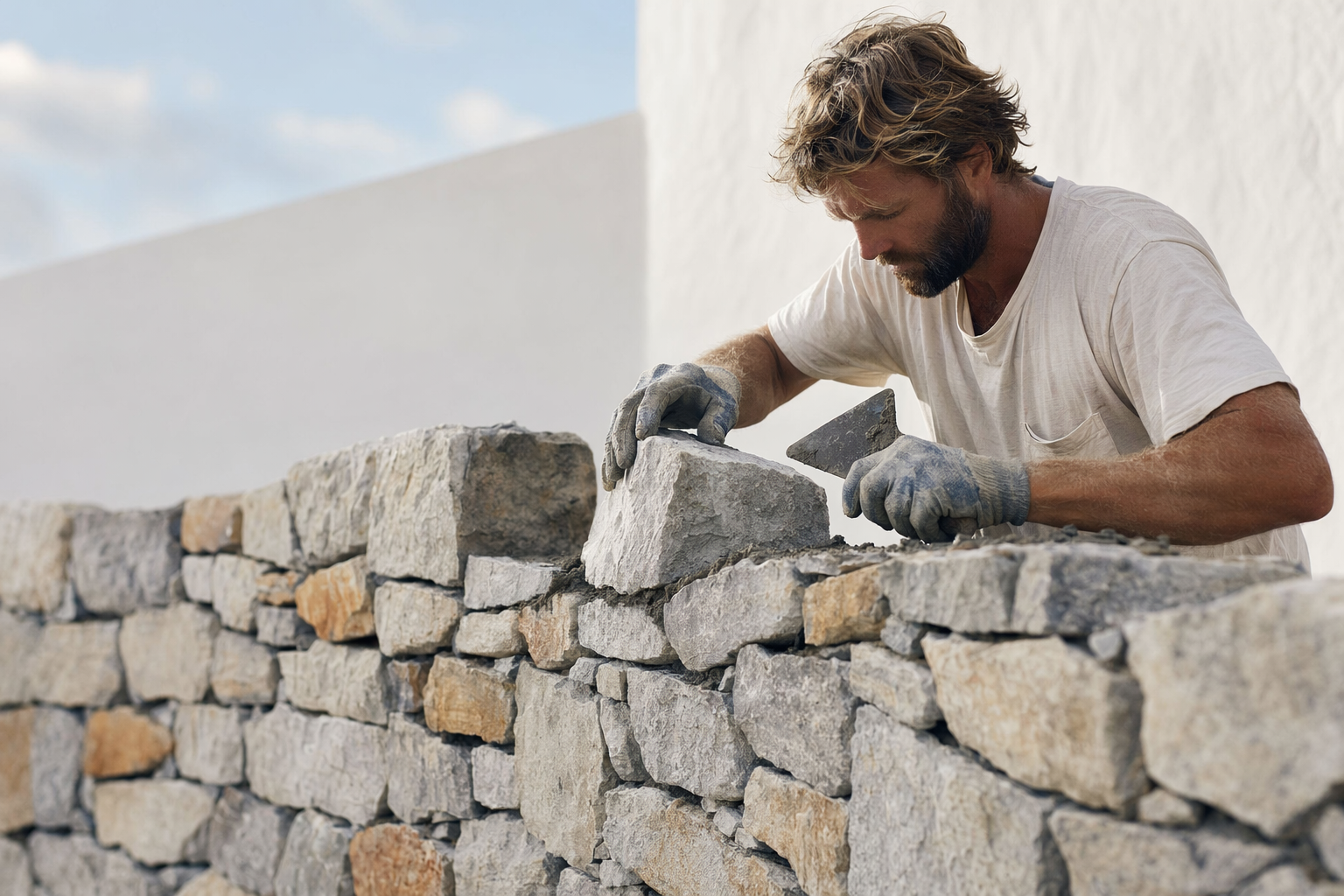
Brick is often the more budget-friendly choice, while stone usually costs more but offers a premium look and excellent durability.
The short answer
If you want a classic, clean look at a lower typical cost, brick is often the practical pick. It works well for full walls, chimneys, facades, and repairs on many older and newer homes. Brick is widely available, easier to match in many areas, and usually simpler to repair with repointing when mortar joints wear out.
If you want a more natural, higher-end appearance, stone may be the better fit. Natural stone and some manufactured stone veneer products can create a distinctive look that many homeowners prefer for entryways, foundations, fireplaces, and accent walls. Stone can be very durable, but the material and installation are often more expensive.
For many homes, the answer is not all brick or all stone. A brick house with stone accents, or a stone veneer entry with brick sides, can balance appearance and budget. If you are comparing options for your home, Stoneform can help you get matched with licensed, insured local masonry specialists so you can compare real-world recommendations.
What to look for
Start with the look of your home. Brick usually gives a more uniform, traditional appearance. Stone tends to look more natural and varied, with differences in color, shape, and texture. On some houses, brick fits the architecture better. On others, a stone facade or stone veneer accent can make more sense. Matching what is already on the home is often important, especially if you are repairing one section instead of rebuilding everything.
Next, think about cost. Typical installed costs vary a lot by region, access, wall size, and whether you are using full-depth masonry or veneer, but stone is usually more expensive than brick. Natural stone often has higher labor costs because it can take more time to cut, fit, and lay properly. Brick is usually more predictable for budgeting. You can review broader masonry price ranges on our costs page, but only a local mason can evaluate your specific project.
Durability matters too, but both materials can perform well when installed correctly. Brick walls need sound mortar joints, good drainage, and proper flashing. Stone work also needs correct detailing, especially around windows, doors, and transitions where water can get in. Weep holes, flashing, and drainage gaps matter just as much as the face material. A beautiful wall can still fail early if water is trapped behind it.
Maintenance is another factor. Brick commonly needs repointing as mortar ages, especially on older homes. Some brick can also develop spalling if moisture gets into the masonry and freezes. Stone can also crack, shift, stain, or loosen if the installation is poor or the base moves. Efflorescence, the white powdery deposit you sometimes see, can show up on both brick and stone when moisture brings salts to the surface.
Also consider repairability and matching. Brick can be easier to replace in small areas if similar units are available. Stone can be harder to match exactly, especially natural stone with unique color variation. If your project involves a chimney, retaining wall, foundation veneer, or entry columns, ask how future repairs would be handled before choosing a material.
Common mistakes
One common mistake is choosing by appearance alone. A photo you like online may not fit your home’s structure, moisture conditions, or budget. For example, adding stone veneer to an exterior wall may require careful detailing at flashing, trim, and openings. Around fireplaces and chimneys, the details at the chimney crown, cap, and joints can matter as much as the visible finish.
Another mistake is ignoring water management. Homeowners sometimes focus on whether brick or stone is stronger, but many masonry problems come from moisture, not the face material itself. Missing weep holes, failed flashing, clogged drainage paths, or cracked mortar joints can lead to staining, interior leaks, freeze-thaw damage, and spalling.
It is also easy to assume all stone products are the same. Natural stone, manufactured stone veneer, and other masonry-faced systems have different installation methods, costs, and maintenance needs. The same is true for brick. A full brick wall, brick veneer, reclaimed brick, and modern modular brick are not all equal in appearance or performance.
Finally, do not hire based only on the lowest price. Masonry is detail-sensitive work. Poor workmanship can show up later as cracking, loose veneer, bulging walls, deteriorated mortar joints, or rust problems around lintels. It is smart to hire a licensed, insured mason, ask what similar projects they have done, and verify credentials yourself. If you want help finding local options, Stoneform is a free education and matching service, not a contractor, and we can connect you with vetted local pros through get matched.
Next steps
First, define the project clearly. Are you building new, replacing damaged sections, updating curb appeal, or trying to solve a leak or deterioration problem? The right answer for a new front facade may be different from the right answer for a chimney rebuild, repointing job, or retaining wall repair. If your issue involves deteriorating mortar joints, cracking, or loose masonry, a repair may be more appropriate than a full material change.
Second, gather a few basic details before talking to a mason:
- Where is the project: front facade, chimney, steps, foundation, fireplace, retaining wall, or columns?
- Is it new installation, repair, partial replacement, or repointing?
- Have you seen spalling, efflorescence, leaks, cracking, leaning, or loose pieces?
- Do you want the lowest cost, the closest match, or the highest-end look?
Third, compare recommendations from qualified local masons. Ask what material fits your climate, your home style, and your maintenance goals. Ask how they will handle mortar type, flashing, weep holes, control joints if relevant, and transitions around windows, doors, and roof lines. If the project includes a segmental retaining-wall block system rather than brick or stone veneer, make sure the installer understands drainage and base preparation.
If you are ready to talk with someone local, Stoneform can help you get matched with licensed, insured masonry specialists. You can also read more on how to choose a mason, explore common masonry services, or learn about repointing and tuckpointing if your main issue is aging mortar rather than the brick or stone itself.